What each measurement on a Circa lot page means, which ones the catalog does not give you, and how to convert quickly when the client's plan is metric.
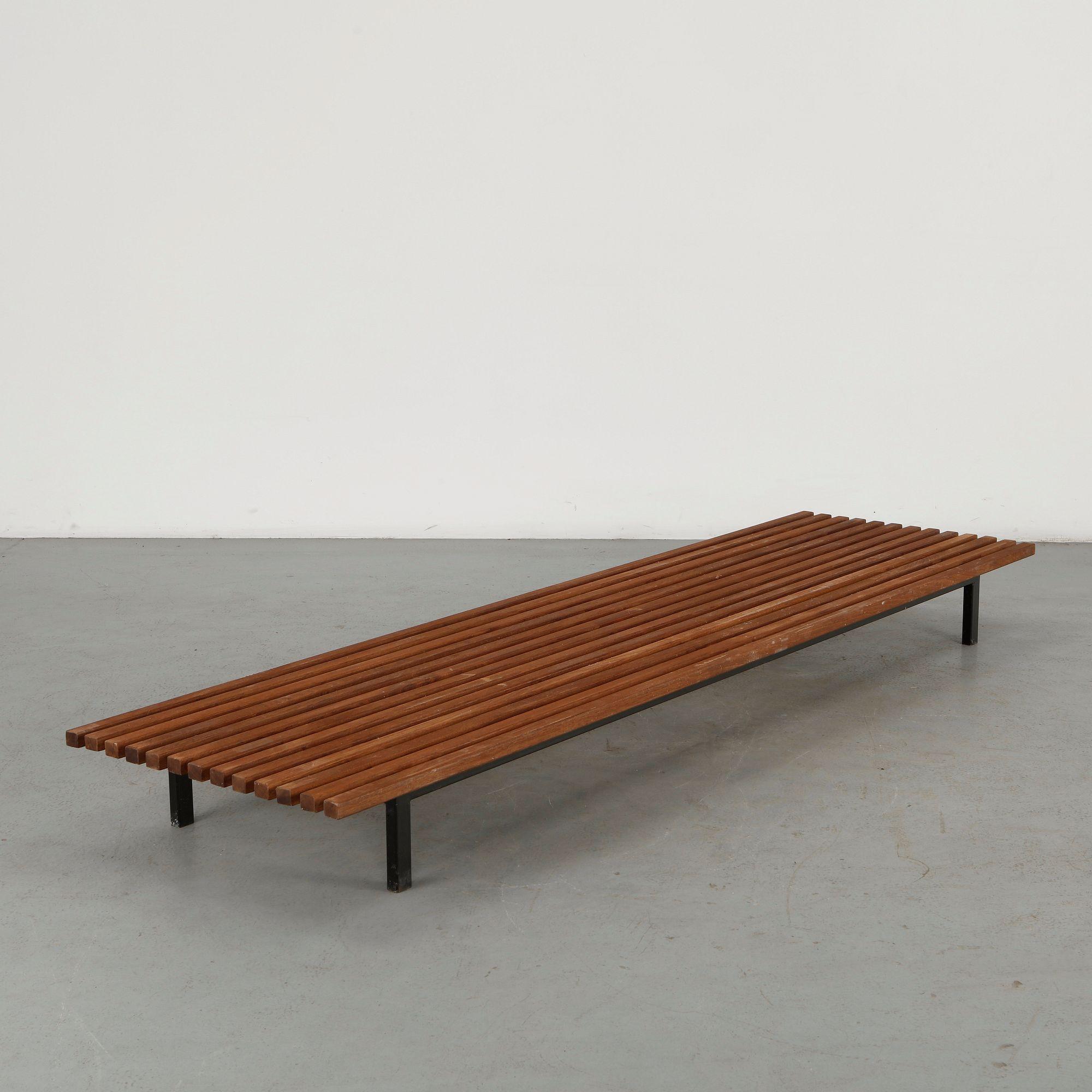
Circa lists dimensions in inches on every lot, in the order the object is usually described rather than in a fixed sequence. For anyone specifying against a floor plan, the sequence matters less than knowing which numbers are there and which are not.
The measurements Circa publishes
- Height. Overall, to the highest point, including a back or a finial.
- Length or Width. The longest horizontal dimension for benches, tables and sideboards.
- Depth. Front to back. On a chair this is the full footprint, not the seat.
- Diameter. Given instead of length and width on round tops and planters. Some planters also list an opening diameter, which is the internal mouth.
- Seat height. Floor to the top of the seat. The single most useful number for specifying against a table.
- Seat depth. Front edge of the seat to the backrest, which is what determines whether the chair is comfortable for the client rather than whether it fits.
On multi-part lots the measurements are grouped by component. Lot 2, the mosaic outdoor dining set, gives the table at 79 by 39 by 28 inches, the bench at 67 long with a 16.5-inch seat, and the stools separately. Read all three before assuming the set fits.
The measurements you have to ask for
- Knee clearance under a table apron. Published height minus the apron is not in the catalog.
- Base footprint on pedestal planters and fountains, which is what determines whether it can cross a lawn or sit on a joist.
- Weight. Not published, and the deciding factor on every concrete and cast stone lot in a garden sale.
- Arm height on lounge seating, which decides whether a chair slides under a console.
- Door and gate clearance at your own site. The lot page cannot help you here and it is the most common reason a purchase becomes a problem.
All of these are available on request through Circa Trade before the sale. Ask during preview week, not on the day.
Inches to centimetres, quickly
Multiply inches by 2.54. For a fast check on a plan, double the inches and add a bit under a third: 30 inches is 76 cm, 39 inches is 99 cm, 79 inches is 201 cm. The numbers that come up constantly in this sale are worth memorising. A 29-inch table height is 74 cm. A 17 to 18-inch seat height is 43 to 46 cm. A 47-inch diameter is 119 cm.
Three scale rules that hold
- Dining. Allow 24 inches of table edge per person and 36 inches of clearance behind each chair. The 48-inch round table at lot 264 seats six on paper and four comfortably in a room with circulation on one side.
- Seating. A 16 to 17-inch seat height reads as lounge; 18 inches and above reads as dining or occasional. The Perriand La Cachette chairs at lot 49 sit at 10 inches, which is a deliberate fireside dimension and will feel wrong at a normal side table.
- Garden. Plan the object's shadow, not its footprint. A 56-inch fountain occupies roughly a six-foot circle in use, and a monumental planter needs a clear radius equal to its own diameter to read properly.
One last habit worth keeping. Tape the outline on the floor before you bid, at the published dimensions, and leave it there for a day. It takes ten minutes and it settles arguments that a rendering will not.