A Marseille denim designer turned Los Angeles developer who rebuilds mid-century houses from the architect's own drawings, then furnishes them at the same scale. The first of our stories on the people who live with the objects.
Client Stories begins with the people who put objects into architecture for a living. Philippe Naouri is a developer and interior designer who buys mid-century houses in Los Angeles, restores them to the architect's intent and sells them furnished to the same standard. His method says more about how to buy at auction than most buying guides do, because every decision starts with the building.
From Marseille denim to Los Angeles steel and glass
Naouri grew up in Marseille and, at fifteen, was working in the one shop in the city that sold authentic American denim. By seventeen he was driving across the United States buying vintage pieces for it. The habit became a career: the European denim houses of the 1990s bought his finds and hired him to consult on detail and wash, and he went on to design the Los Angeles label Antik Denim. The trade press called him the king of vintage.
The move from denim to houses looks like a change of subject. It is the same discipline. Vintage denim is judged by construction, material and the evidence of use; so is a 1956 house. When Naouri turned to development he chose the buildings that reward that kind of reading, the post-war Modernist houses of Malibu, Trousdale Estates and the Hollywood Hills, and set about restoring them under the name Philippe Naouri Maison, working with Eric Choi of Maison d'Artiste.
Three houses
- The Kuderna House, Hollywood Hills. Designed by Craig Ellwood in 1956 for the illustrator Charles Kuderna. Naouri bought it in 2018 and restored it using the archives of Jim Tyler, the architect who worked with Ellwood on the original. The brick and steel fireplace, the floor-to-ceiling glass and the central courtyard stayed; terrazzo floors and walnut-clad walls went in.
- A Rex Lotery house, Trousdale Estates. Built in 1959 for the actress Corinne Calvet. Bought in 2017 and restored over four and a half years with Studio Tim Campbell. The original woodwork was recreated rather than replaced, the terrazzo and stone kept, and the house grew from 4,300 to 8,800 square feet without the addition reading as one. It was listed in 2022 at $24.95 million.
- An Edward Fickett house, Malibu. A 4,200 square foot hillside estate reworked for today's living with vintage furnishings and honest materials, the subject of a televised tour on Open House.
We doubled the size of the house but nobody can tell because it was made with respect to the architecture.
Philippe Naouri on the Lotery house, Hilton & Hyland, 2022
What that approach means for furniture
Naouri's rule for the buildings is to keep what is original and, where something has to change, to upgrade the material rather than the design. Furniture follows the same logic. Houses of this period were drawn around low, long pieces set against glass, and they punish anything that is the wrong height or the wrong weight. The objects that belong in them are the ones designed in the same decade, for the same rooms.
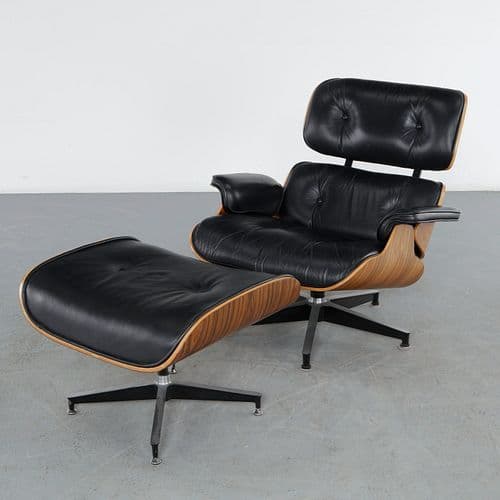
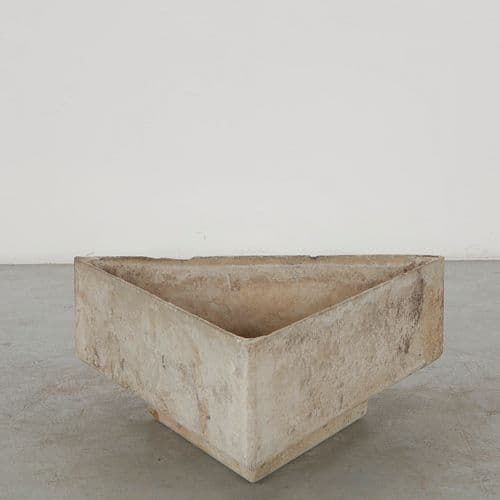
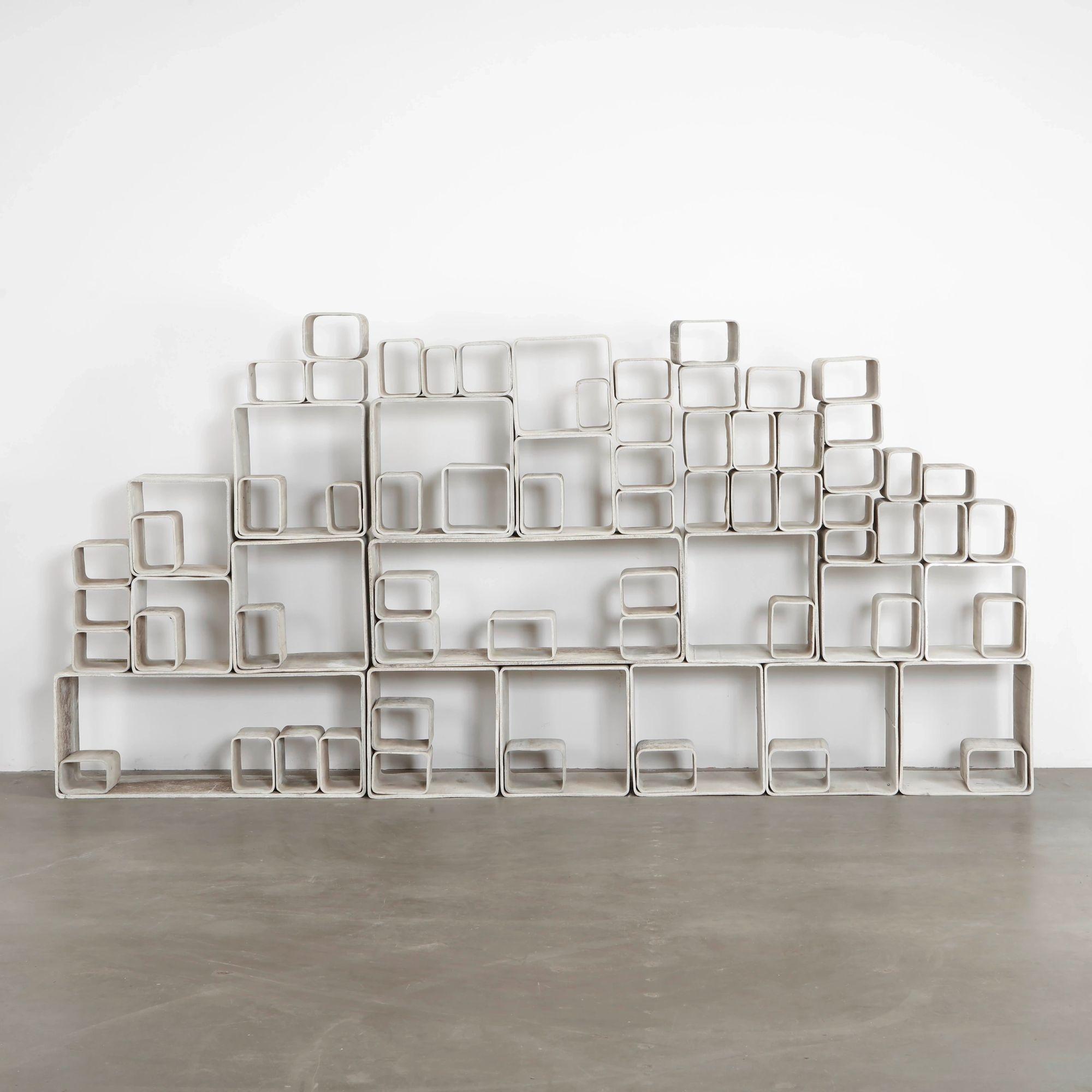
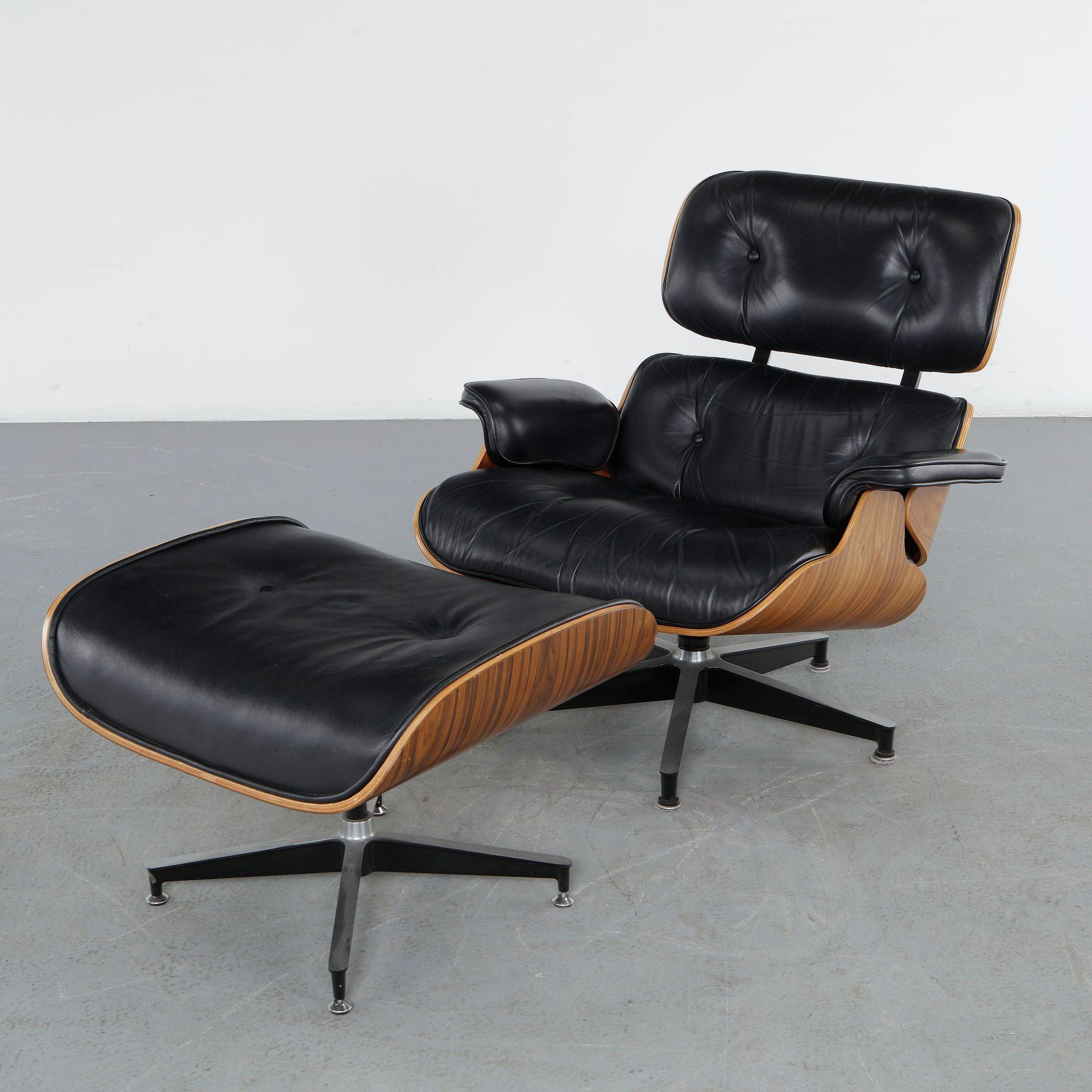
Escape to the Modernist Garden has several. Two Eames lounge chairs with their ottomans, lots 327 and 328, are the obvious anchor for a walnut-panelled living room. Brown Jordan's Venetian Grotto shell chairs and dining table, lots 194 and 195, are cast-aluminium garden furniture from the Southern California maker, made for exactly the kind of terrace a Fickett house opens onto. And an Ellwood courtyard with terrazzo underfoot wants a Willy Guhl planter rather than a pot: the same honest material, fiber cement, folded into sculpture.
Three things to take from it
- Read the building first. Ceiling height, sightlines to glass and the floor material decide the furniture before taste does.
- Keep the original, upgrade the material. A recovered Eames chair in the right leather is worth more to a room than a new chair in the right shape.
- Buy at the house's scale. Pairs and sets, low profiles, and outdoor pieces that can live outside all year. Preview them at Mission Road with the plans in hand.
Client Stories will continue with the interior designers, collectors and trade buyers who furnish from Circa. If you are one of them and have a room to show, write to us.