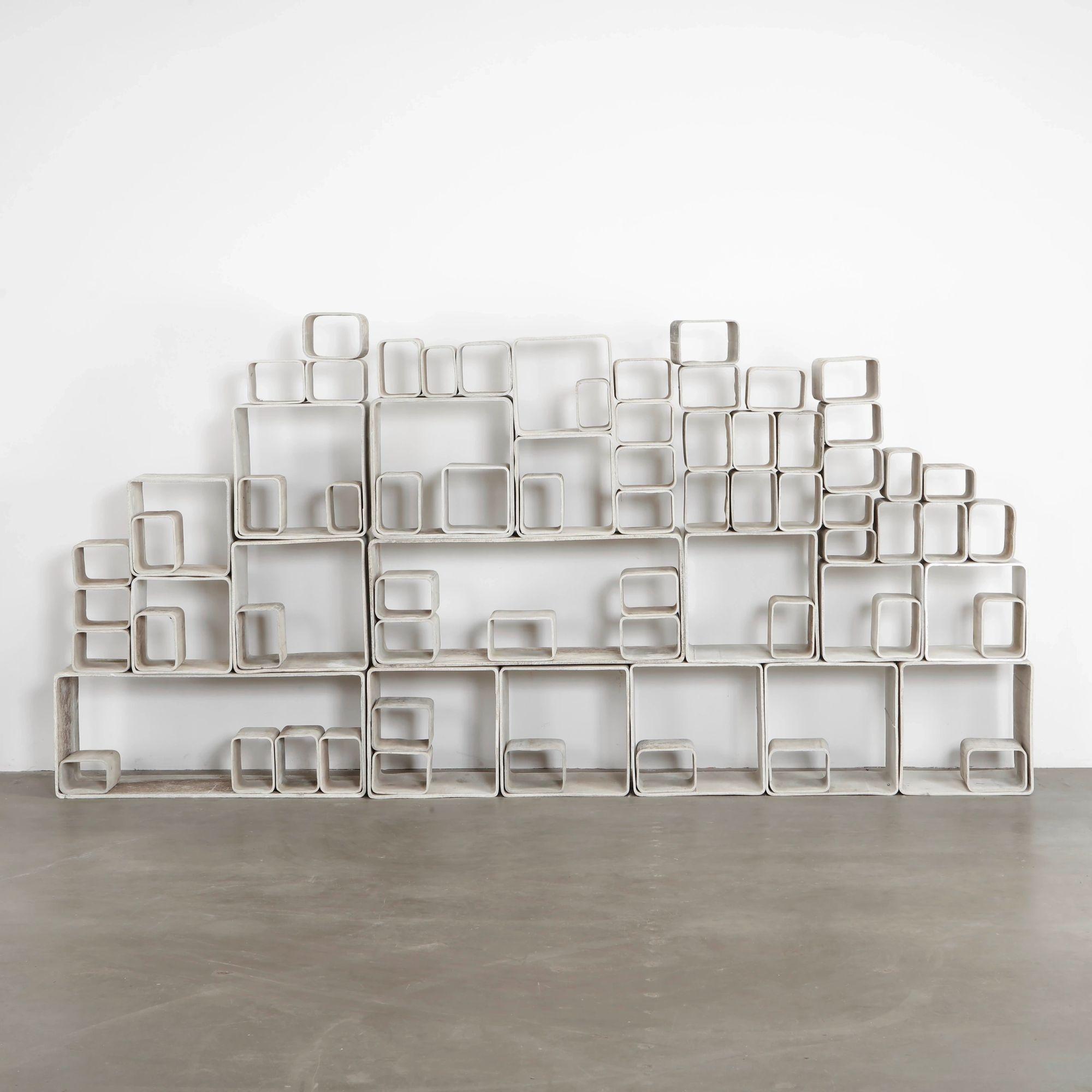
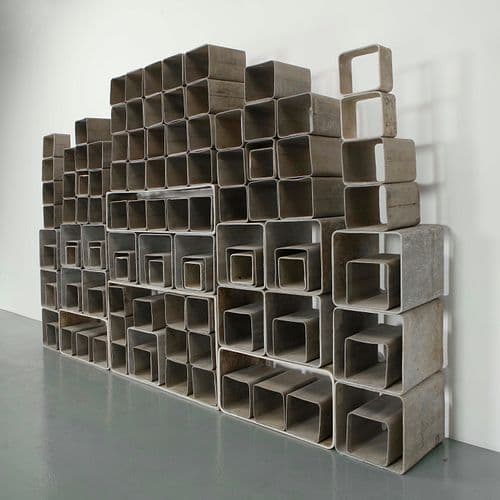
Guhl trained as a cabinetmaker before studying at the Kunstgewerbeschule in Zurich, where he went on to teach for close to forty years and founded Switzerland's first product design course. In 1951 the fiber cement manufacturer Eternit asked his students to find new uses for its sheet material. Guhl answered by treating the wet sheet like cloth, draping it over wooden moulds before it cured.
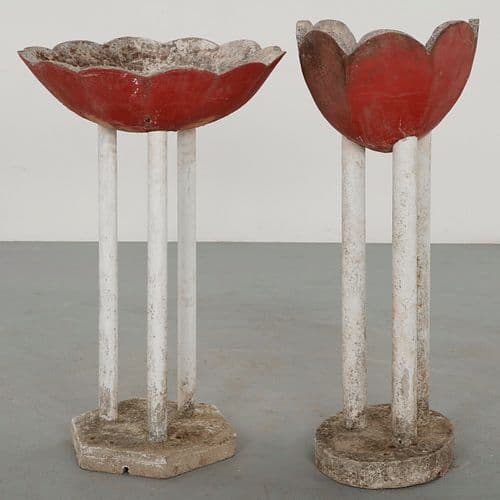
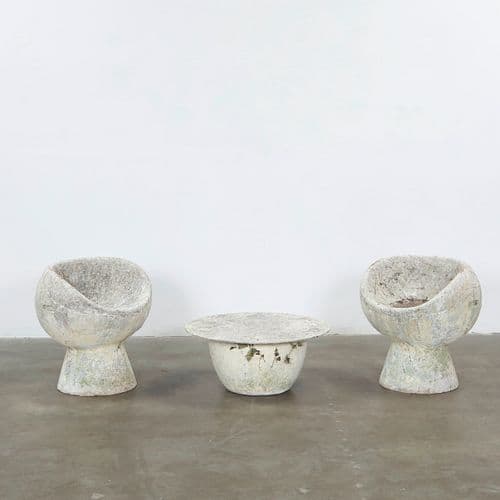
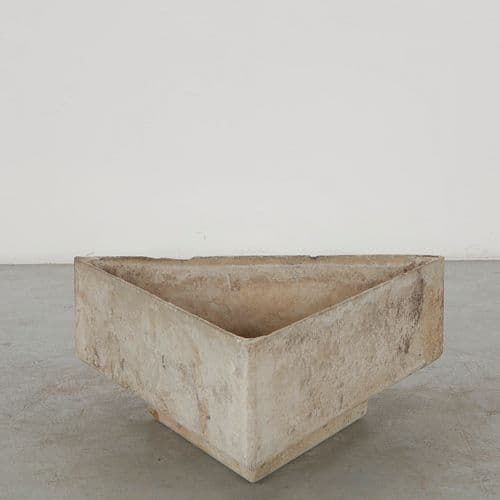
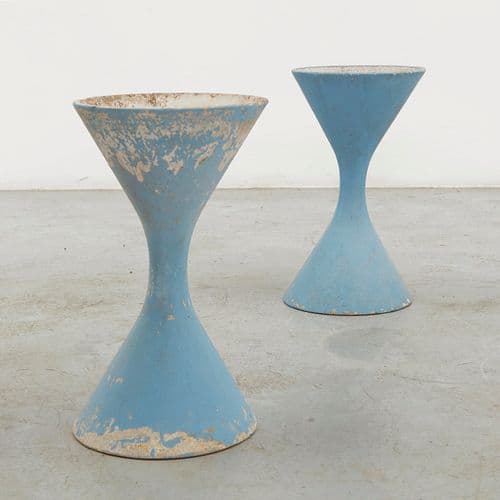
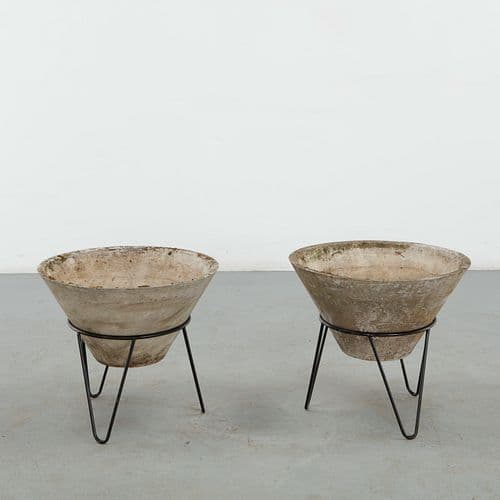
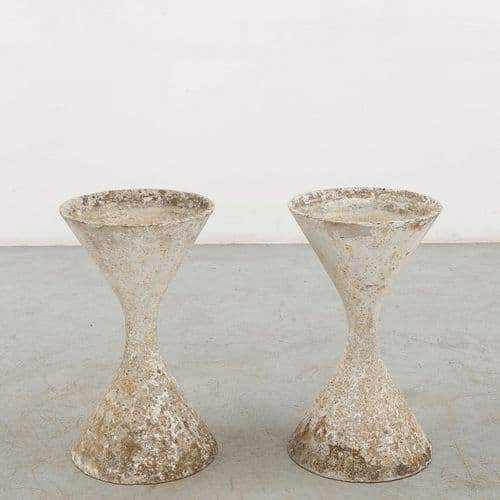
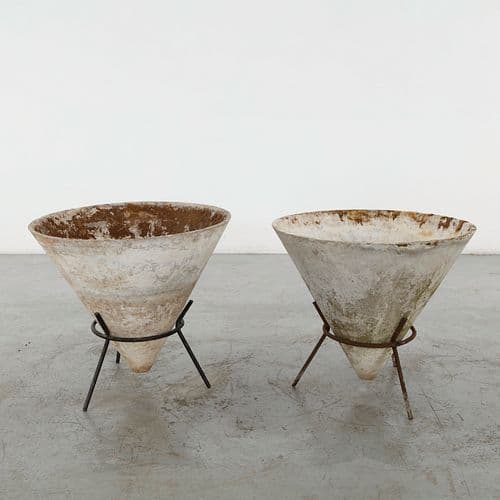
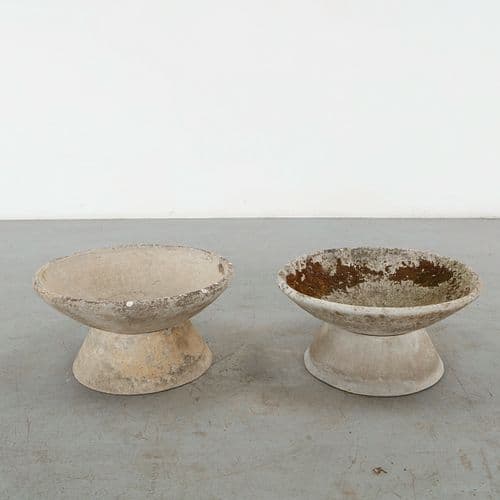
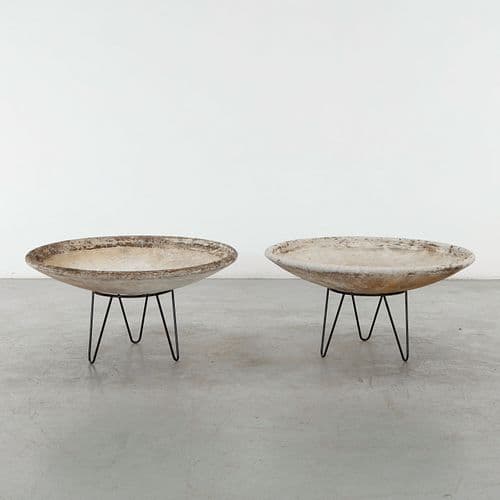
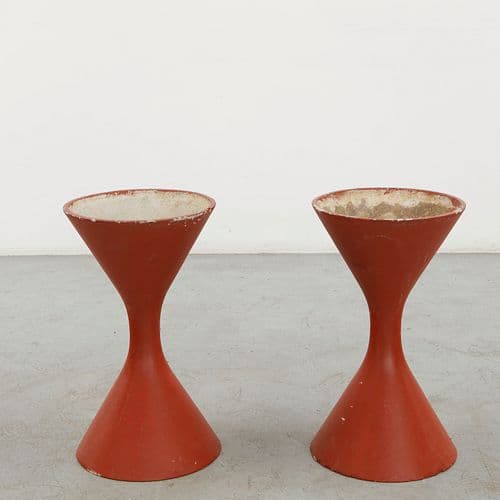
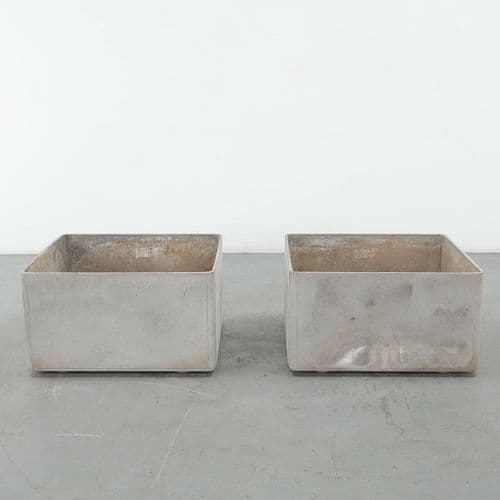
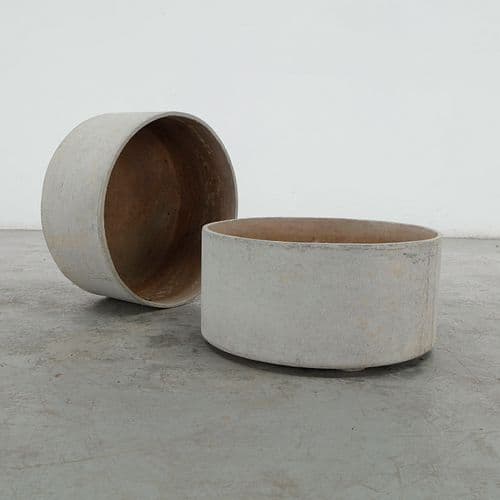
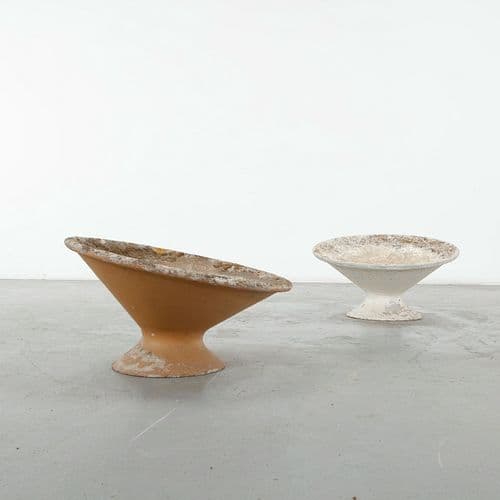
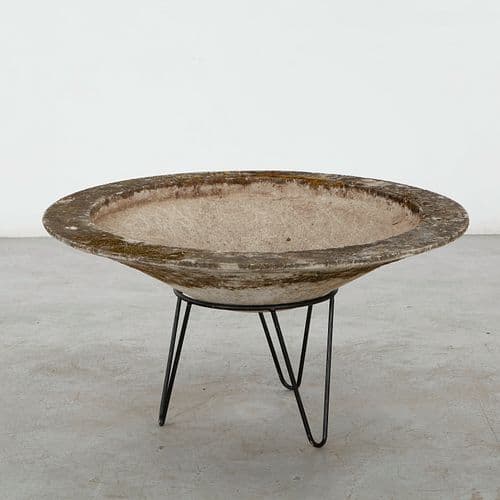
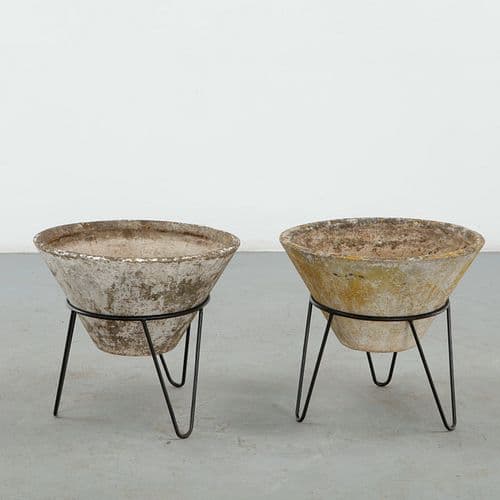
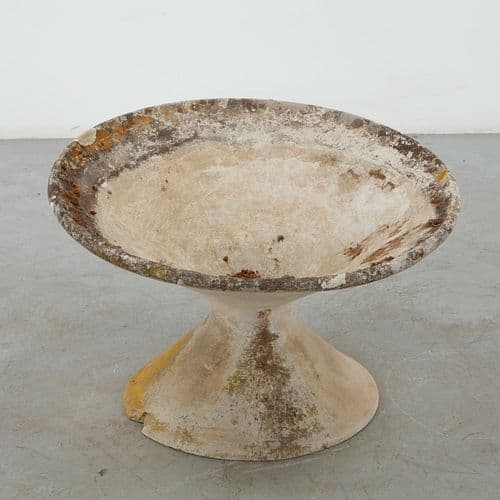
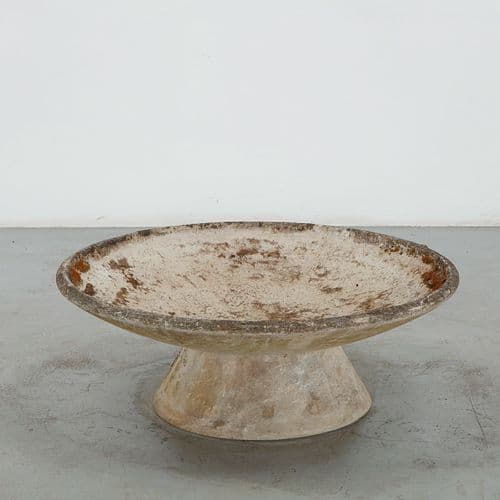
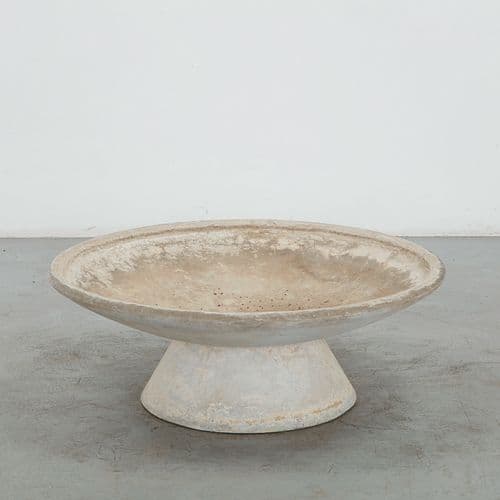
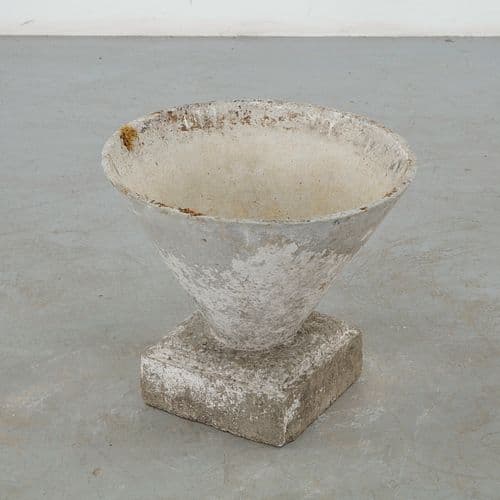
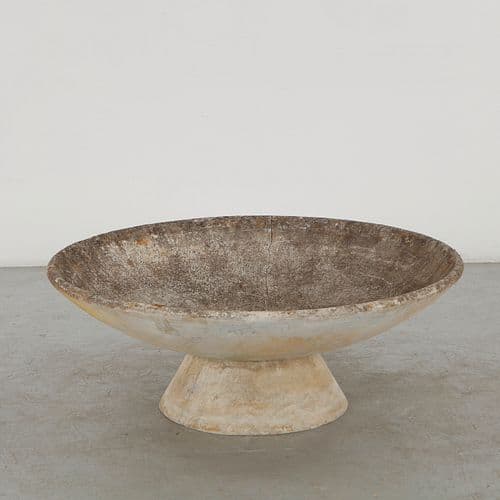
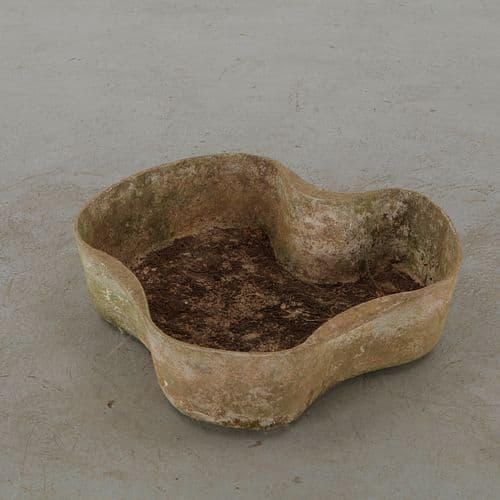
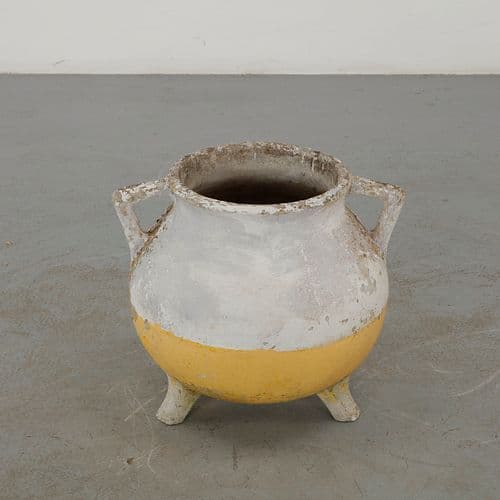
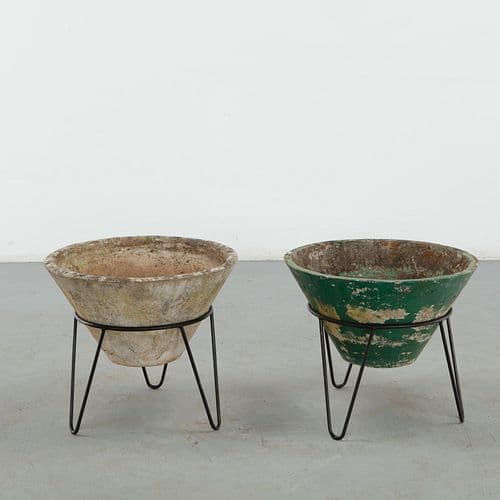
The Loop chair of 1954 came out of watching panels leave the machine at the Eternit works in Niederurnen: one continuous ribbon bent into a seat and a back, with almost nothing taken away. The planters that followed, the hourglass, the shallow bowl on a stand, the drooping elephant ear, apply the same logic at garden scale.
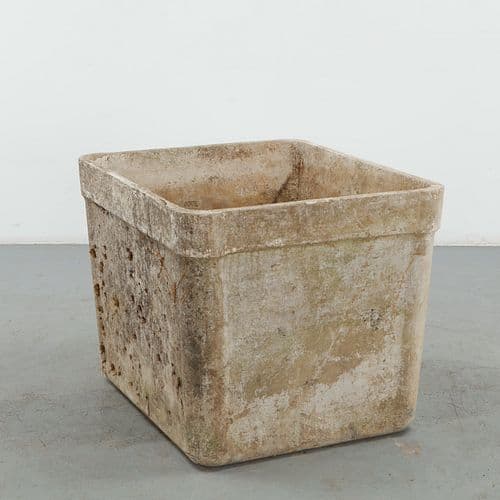
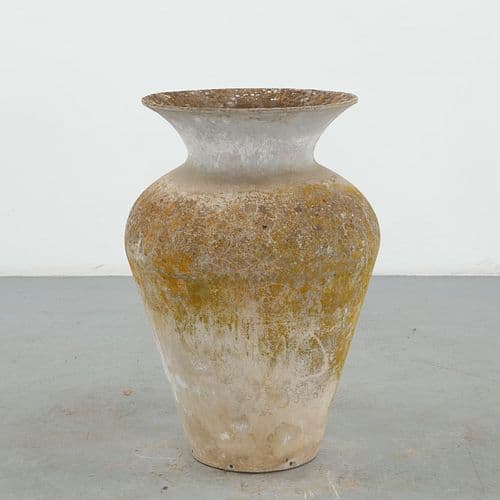
These pieces were made to live outside and they improve there. Decades of sun and rain leave a mottled, lichened surface that new production cannot imitate, which is why a weathered period example is worth more in a Los Angeles garden than a clean one.
 Client Stories